
Root Canal Treatment in Wagholi
Root Canal Treatment in Wagholi, Pune | Dr. Apoorwa Moghe – Gentle Smile Dentocare
Root canal treatment is a dental procedure used to treat a tooth with infected or irreversibly damaged pulp. It involves removing the affected pulp tissue, cleaning and disinfecting the root canals, and filling and sealing them. A suitable restoration is then placed to help the tooth function.
At Gentle Smile Dentocare in Wagholi, Pune, Dr. Apoorwa Moghe can assess symptoms such as persistent toothache, lingering sensitivity to hot or cold, pain while chewing, and swelling to determine whether root canal treatment is appropriate.
About Root Canal
What Is Root Canal Treatment?
Root canal treatment is a dental procedure used to treat problems affecting the pulp, the soft tissue inside a tooth that contains nerves and blood vessels. The pulp may become inflamed or infected because of deep decay, cracks, trauma, or other dental problems.
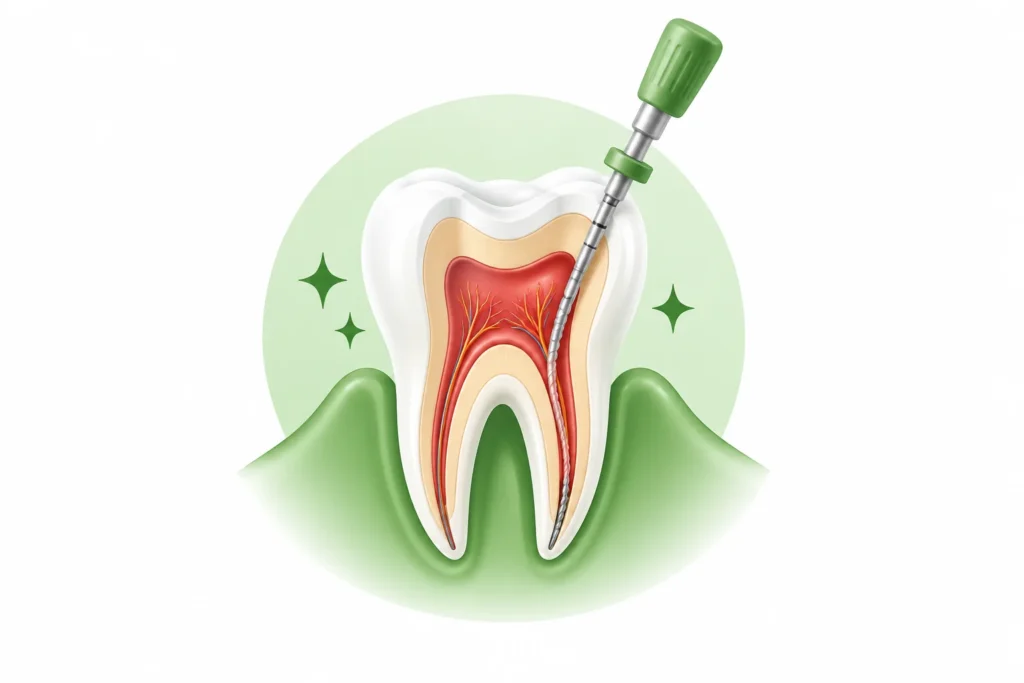
During the procedure, the dentist accesses the inside of the tooth, removes the affected pulp tissue, cleans and shapes the root canals, and seals them with suitable materials. The tooth is then restored to help protect it during normal use.
The need for a filling or crown depends on the tooth’s location, the amount of remaining tooth structure, and the extent of damage. Your dentist will explain the appropriate restoration after examining the tooth.
Our Services
General Dentistry
Teeth Cleaning & Scaling
Dental Fillings & cavity
Root Canal
Tooth Extraction
Gum care
Dental crowns & Bridges
Dentures & Tooth replaacement
Cosmetic Dentistry
Emergency Dental care
When It's Needed
When Is Root Canal Treatment in Wagholi Needed?
Root canal treatment may be considered when the pulp inside a tooth is significantly inflamed, infected, or damaged. Symptoms can vary, and some teeth with pulp problems may not cause obvious pain.
1. Persistent Toothache
Tooth pain that continues, returns frequently, or interferes with daily activities may be associated with deep decay or pulp inflammation. A dental examination can help identify the cause.
2. Prolonged Sensitivity to Hot or Cold
Sensitivity that continues after the hot or cold stimulus has been removed may indicate a problem involving the tooth’s pulp. Not all sensitivity requires root canal treatment, so the cause should be assessed.
3. Pain While Chewing
Pain when biting or chewing may be linked to inflammation around the tooth, a crack, advanced decay, or other dental conditions. The dentist will assess the tooth before recommending treatment.
4. Deep Tooth Decay
When tooth decay extends deep into the tooth and affects the pulp, a routine filling may not be sufficient. Depending on the examination findings, root canal treatment may be recommended.
5. Swelling Around the Tooth
Swelling in the gum near a tooth, a recurring gum boil, or signs of infection require prompt dental assessment. Facial swelling, fever, or difficulty swallowing or breathing needs urgent medical attention.
6. Tooth Damage or Injury
A cracked, fractured, or injured tooth may develop pulp damage. Treatment depends on the location and extent of the injury and whether the tooth can be restored.
The Procedure
Root Canal Treatment Procedure at Gentle Smile Dentocare
The exact steps depend on the tooth and the nature of the problem. The following is a general overview of how root canal treatment is performed.
- Step 1: Dental Examination and Assessment. The dentist reviews your symptoms, examines the affected tooth, and may recommend dental X-rays or other appropriate tests. These help assess the tooth’s roots, surrounding tissues, and the extent of the problem.
- Step 2: Local Anaesthesia. Local anaesthesia is generally used to help manage discomfort during the procedure. The dentist will explain what to expect and address any concerns you may have before treatment begins.
- Step 3: Accessing the Inside of the Tooth. A small opening is made in the tooth to reach the pulp chamber and root canals. The procedure is carried out carefully to access the affected area.
- Step 4: Removing Affected Pulp Tissue. Inflamed, damaged, or infected pulp tissue is removed from the tooth’s interior. The root canals are then cleaned and shaped to prepare them for sealing.
- Step 5: Cleaning and Sealing the Root Canals. The canals are cleaned and disinfected using appropriate techniques, then filled and sealed with suitable dental materials. This helps prevent contamination of the treated space.
- Step 6: Restoring the Tooth. A temporary or permanent filling may be placed, depending on the treatment plan. Some teeth, particularly those with substantial structural damage, may need a dental crown for additional protection.
Your dentist will explain the restoration options and whether another appointment is required.
How Long Does Root Canal Treatment Take?
The duration of root canal treatment varies according to the tooth being treated, the number and shape of its canals, the extent of infection or inflammation, and the complexity of the case.
An appointment may take approximately 30–90 minutes, although some cases take longer. Certain teeth can be treated in one appointment, while others may require two or more visits.
The dentist will provide a more appropriate estimate after examining your tooth. If a crown or another restoration is needed, additional time may be required to complete the treatment plan.
Recovery
Recovery After Root Canal Treatment in Wagholi
Recovery varies from person to person. Some tenderness around the treated tooth may occur for a few days, particularly if there was significant inflammation before treatment.
To support recovery:
- Follow the aftercare instructions provided by your dentist.
- Avoid chewing hard or sticky foods on the treated tooth until the recommended restoration is completed.
- Maintain regular brushing and flossing, taking care around the treated area if it feels tender.
- Take medication only as directed by your dentist or healthcare professional.
- Attend any recommended follow-up appointments.
- Contact your dentist if pain increases, swelling develops, your bite feels uneven, or symptoms do not improve as expected.
A tooth that has undergone root canal treatment still needs regular dental care. Completing the recommended filling or crown is important for protecting the remaining tooth structure.
Comfort During Root Canal Treatment in Wagholi
Patients often have questions about discomfort during and after root canal treatment. The experience depends on the condition of the tooth, the level of inflammation, and individual sensitivity.
Local anaesthesia is generally used to help manage discomfort during the procedure. Some tenderness may occur afterward, particularly when biting or chewing, and this often settles as the area recovers.
What Happens If You Delay Root Canal Treatment?
If a tooth has significant pulp damage or infection, delaying assessment may allow the problem to worsen. Depending on the cause, possible complications include increasing pain, swelling, an abscess, or further damage to the tooth and surrounding tissues.
Not every toothache requires root canal treatment. However, persistent pain, lingering sensitivity, swelling, or pain while chewing should be evaluated by a dentist rather than managed only with home remedies.
Early assessment can help identify suitable options and clarify whether the tooth can be preserved.
At-Home Care
How to Care for Your Tooth After Root Canal Treatment
Good oral hygiene and the recommended restoration help protect the treated tooth.
1. Maintain Daily Oral Hygiene
Brush twice daily with fluoride toothpaste and clean between your teeth every day. Your dentist may provide specific instructions if the treated area is tender.
2. Follow Dietary Advice
Avoid putting excessive pressure on the treated tooth until your dentist confirms that it is ready for normal chewing. Be particularly careful if a temporary filling has been placed.
3. Complete the Recommended Restoration
A treated tooth may need a permanent filling or crown, depending on the amount of remaining tooth structure. Do not postpone the recommended restoration without discussing it with your dentist.
4. Attend Follow-Up Appointments
Follow-up visits allow the dentist to review the restoration, assess symptoms, and address any concerns about healing.
5. Seek Advice if Symptoms Persist
Contact your dentist if you experience worsening pain, swelling, a lost filling, or difficulty chewing after treatment.
Why Consult Us
Why Consult Gentle Smile Dentocare for Root Canal Treatment in Wagholi?
Choosing a dental clinic starts with understanding the available treatment options, the examination process, and the care required after the procedure.
At Gentle Smile Dentocare in Wagholi, Pune, patients can discuss their symptoms and receive an assessment to help determine the appropriate next steps.
Individual dental assessment
Treatment recommendations are based on the condition of the tooth and examination findings.
Explanation of treatment options
The dentist can explain the procedure, expected appointments, and possible restoration requirements.
Guidance on aftercare
Patients receive instructions relevant to their treatment and recovery.
Restoration planning
The need for a filling, crown, or other treatment is considered according to the remaining tooth structure.
Convenient Wagholi location
The clinic is located at V Axis Commercial Complex, beside Reliance Smart, Ivy Estate, Wagholi, Pune.
For information about the dentist’s qualifications and clinical approach, visit the profile of Dr. Apoorwa Moghe, dentist in Wagholi.
Areas We Serve
Areas Served in Wagholi, Pune
The clinic may be convenient for patients travelling from areas such as:
Ivy Estate
Near the clinic.
Wagholi Main Road
Wagholi’s main road area.
Kesnand Phata
A locality in the Wagholi area.
Awhalwadi Road
Residential and developing areas around Wagholi.
Baif Road
Residential areas along the Wagholi road corridor.
Shiwarkar Wasti
Local residential area in Wagholi.
Travel distance and time depend on the starting point and traffic conditions. Check the clinic’s map listing for the most suitable route.
FAQs
Frequently Asked Questions
Root canal treatment addresses problems affecting the pulp inside a tooth. It involves removing the affected tissue, cleaning the root canals, and sealing them before restoring the tooth.
Some cases can be completed in one appointment, while others require multiple visits. The number depends on the tooth’s condition, the complexity of the canals, and the treatment plan.
An appointment may take approximately 30–90 minutes, although the duration varies. Complex cases and additional restorative procedures may require more time.
Not every treated tooth requires a crown. The recommendation depends on the tooth’s location, the amount of remaining structure, and the risk of fracture. Your dentist will explain whether a filling or crown is appropriate.
Persistent toothache, prolonged sensitivity to hot or cold, pain while chewing, deep decay, or swelling around a tooth may indicate a problem requiring assessment. Only a dental examination can determine whether root canal treatment is suitable.
Root canal treatment can help retain many teeth when the damage is treatable and enough healthy tooth structure remains. The outcome depends on the condition of the tooth and its supporting tissues.
Mild tenderness can occur after treatment. Follow your dentist’s instructions and contact the clinic if the pain worsens, swelling develops, or symptoms do not improve as expected.
Seek prompt dental care for facial swelling, significant or worsening pain, or swelling around the tooth. Difficulty breathing or swallowing, or rapidly spreading facial or neck swelling, requires emergency medical attention.
Find Us
Book Your Appointment at Our Dental Clinic in Wagholi
Clinic Address
Shop No 12, first floor, Above Mojo Pizza, V axis commercial complex, IVY ESTATE, Wagholi, Pune, Maharashtra 412207
Contact
Clinic Hours
Mon–Wed: 10 AM–8 PM
Thursday: Closed
Fri–Sun: 10 AM–8 PM
Book Your Appointment at Our Dental Clinic in Wagholi
At our dental clinic in Wagholi, Pune, we believe every smile deserves attention, care, and kindness. Because for us, dentistry is not just about treating teeth — it’s about helping you smile with confidence.